Class 58 Models
Models
Class 58 Model Guide
A dedicated modelling section for Class 58 enthusiasts, covering the principal ready-to-run models produced in N, OO and O gauge across the main commercial ranges.
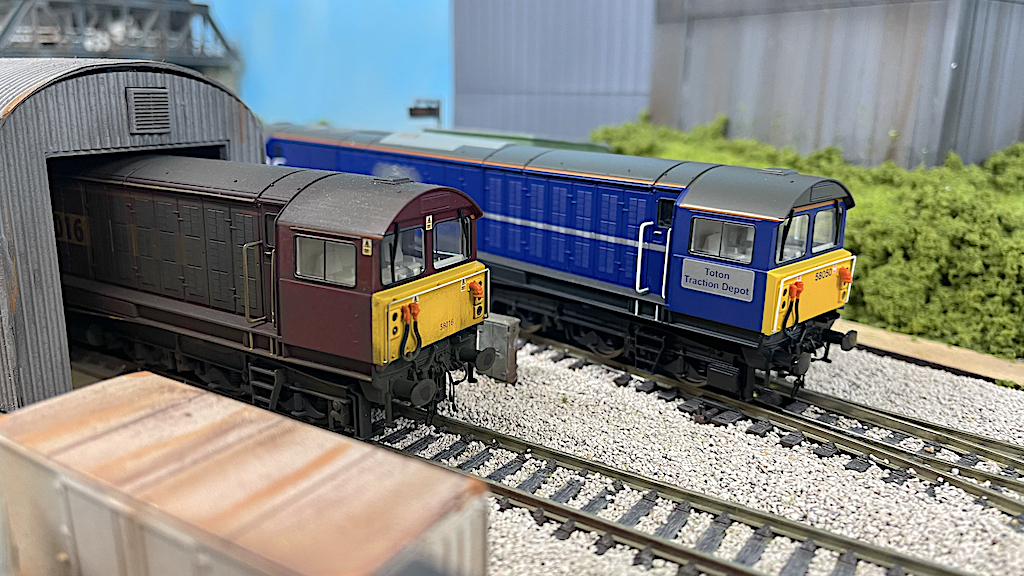
The Class 58 has long held a special place with railway modellers. Its distinctive shape, varied liveries and unusual export history have made it a popular subject across multiple scales, whether representing British Rail coal traffic, Mainline and EWS operation, or later continental service.
These pages have been created especially for Class 58 modellers, bringing together information on the main ready-to-run releases and helping collectors and enthusiasts navigate the available ranges more easily.
What This Section Covers
Split into four sections, this area of the website is intended to cover almost the full spread of modern Class 58 railway modelling. Whether you are a collector, an operator, a detail modeller or simply researching which versions have been produced, these guides are designed to provide a useful starting point.
- N gauge Dapol – covering the main N gauge releases and catalogue references
- OO gauge Hornby – charting Hornby’s approach to the Class 58 in 4mm scale
- OO gauge Heljan – covering Heljan’s OO gauge tooling, liveries and releases
- O gauge Heljan – for those modelling the class in larger scale
Why the Class 58 Works So Well in Model Form
The Class 58 is especially attractive to modellers because it spans several distinct eras of railway operation and presentation. A single class can be modelled in Railfreight red stripe, triple grey, Mainline, EWS and export liveries, making it suitable for layouts ranging from BR coal traffic through to privatisation and continental engineering work.
In addition, the class’s relatively compact but muscular appearance, distinctive cab and body proportions, and wide variety of named and numbered examples give collectors plenty of scope to build representative fleets or focus on specific periods in the class’s working life.
Choose a Model Section
Select one of the sections below to explore the different Class 58 model ranges in more detail: